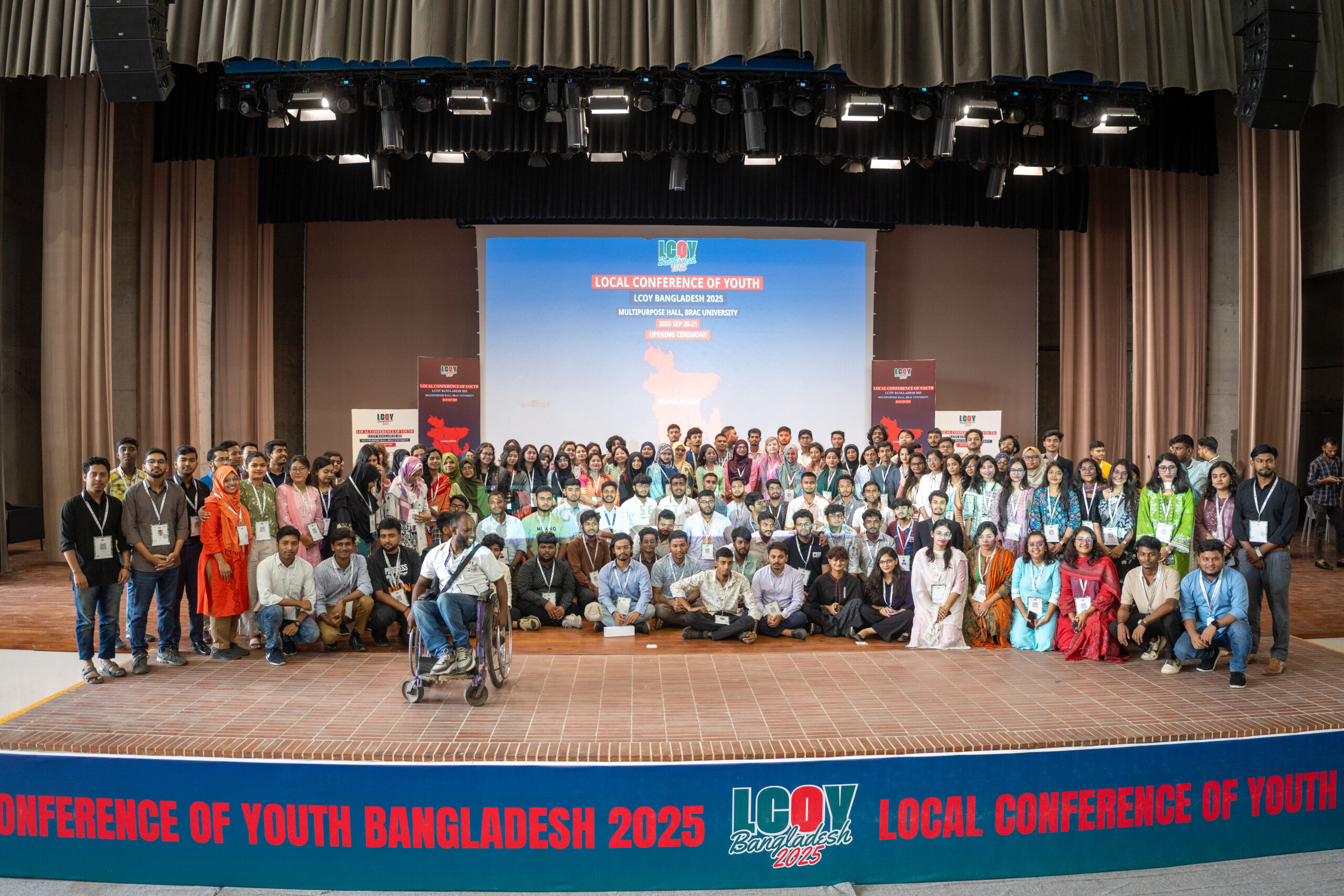
More than 200 youth delegates representing 60 districts across Bangladesh converged at the Multipurpose Hall of BRAC University on September 20–21 for the Local Conference of Youth (LCOY) Bangladesh 2025. Officially endorsed by YOUNGO—the children and youth constituency of the United Nations Framework Convention on Climate Change (UNFCCC)—the two-day summit established a unified youth position paper to be formally submitted at COP30.
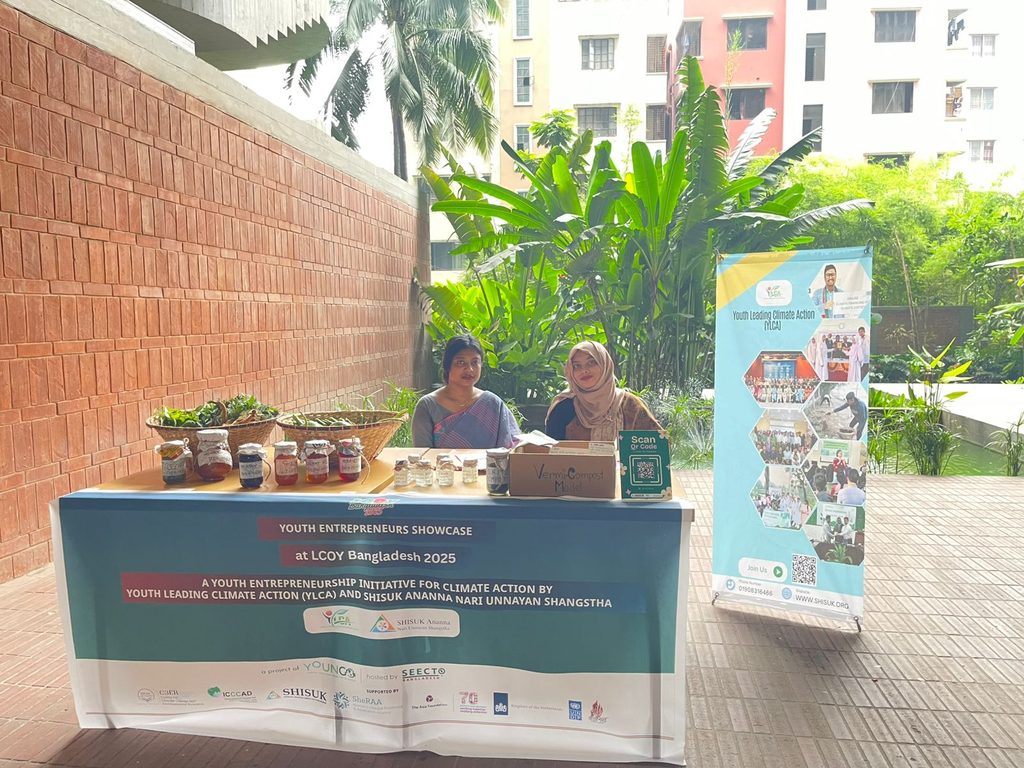
Hosted by SEECTO Bangladesh, this year’s conference was organized with Shikkha Shastha Unnayan Karzakram (SHISUK) serving as the Resource Partner and Youth Leading Climate Action (YLCA) as the Community Youth Partner.
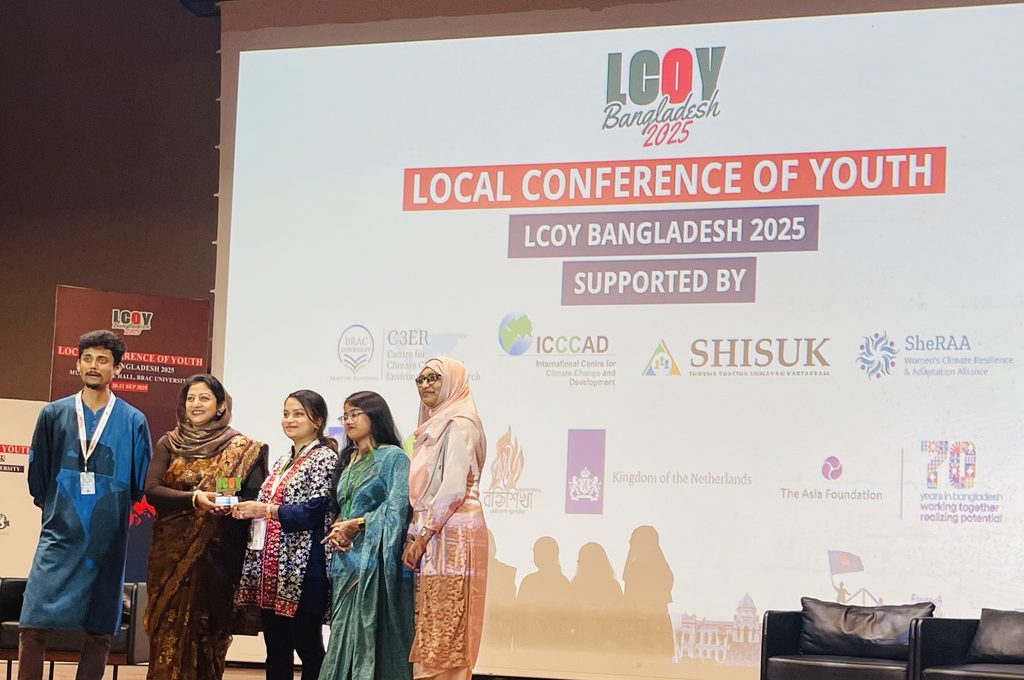
Mobilizing a National Youth Agenda
The conference opened on Saturday, September 20, with a welcome address by Mohammad Mahbul Alam Tamim, Focal Point of LCOY Bangladesh 2025. Across working sessions, delegates debated and synthesized regional climate vulnerabilities—from salinity intrusion in coastal belts to flash floods and urban heat stress—into a cohesive national draft.
The finalized position paper addresses three core pillars:
- Nationally Determined Contributions (NDCs): Demanding aggressive mitigation targets and local adaptation financing.
- Just Transition: Prioritizing green jobs, community-led enterprises, and protections for climate-displaced workers.
- Inclusive Climate Governance: Institutionalizing youth and grassroots representation in sub-national and national policy-making bodies.
International and national climate practitioners attended the opening proceedings to review the policy drafts. The dialogue featured insights from Rana Flowers (UNICEF Bangladesh), Maliha Muzammil (UNDP Bangladesh), Rowfa Khanom (C3ER, BRAC University), and Alba Peña (YOUNGO), all of whom underscored that regional youth manifestos are vital for holding global negotiations accountable.
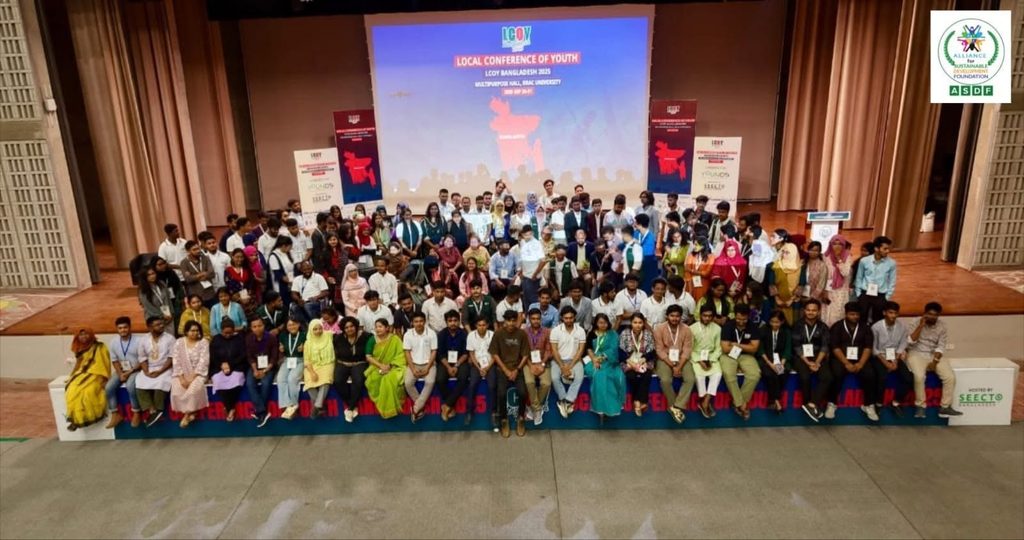
Technical Deliberations and Multi-Sectoral Dialogue
Day 2 shifted into high-level thematic dialogues, bringing grassroots youth delegates into direct discussion with policymakers, academics, and development partners.
“Youth are not just the future—they are the present of climate action.”
— Dr. Syed Ferhat Anwar, Vice Chancellor, BRAC University
Academic and governance experts emphasized that youth input must translate into systemic policy reform rather than token consultation. Prof. Ainun Nishat, Advisor at C3ER, noted that effective climate governance demands sustained youth engagement across every tier of planning.
Addressing the regulatory and international dimensions, Ziaul Haque, Director of Air Quality at the Department of Environment, outlined how youth-led monitoring and advocacy strengthen institutional enforcement. From a bilateral perspective, Naioka Martinez Bäckström, First Secretary (Environment & Climate) at the Embassy of Sweden, pointed to Bangladesh’s young innovators as essential actors in the global climate landscape.
The discussions placed particular emphasis on vulnerable and marginalized demographics. Tasafi M. Hossain, Founder and Managing Director of Bonhishikha, highlighted that equitable climate adaptation must actively center underrepresented voices, while Khadiza Mustari Mahin, Chair of SEECTO Bangladesh, reaffirmed that youth mobilization in frontline countries remains a structural necessity for climate justice.
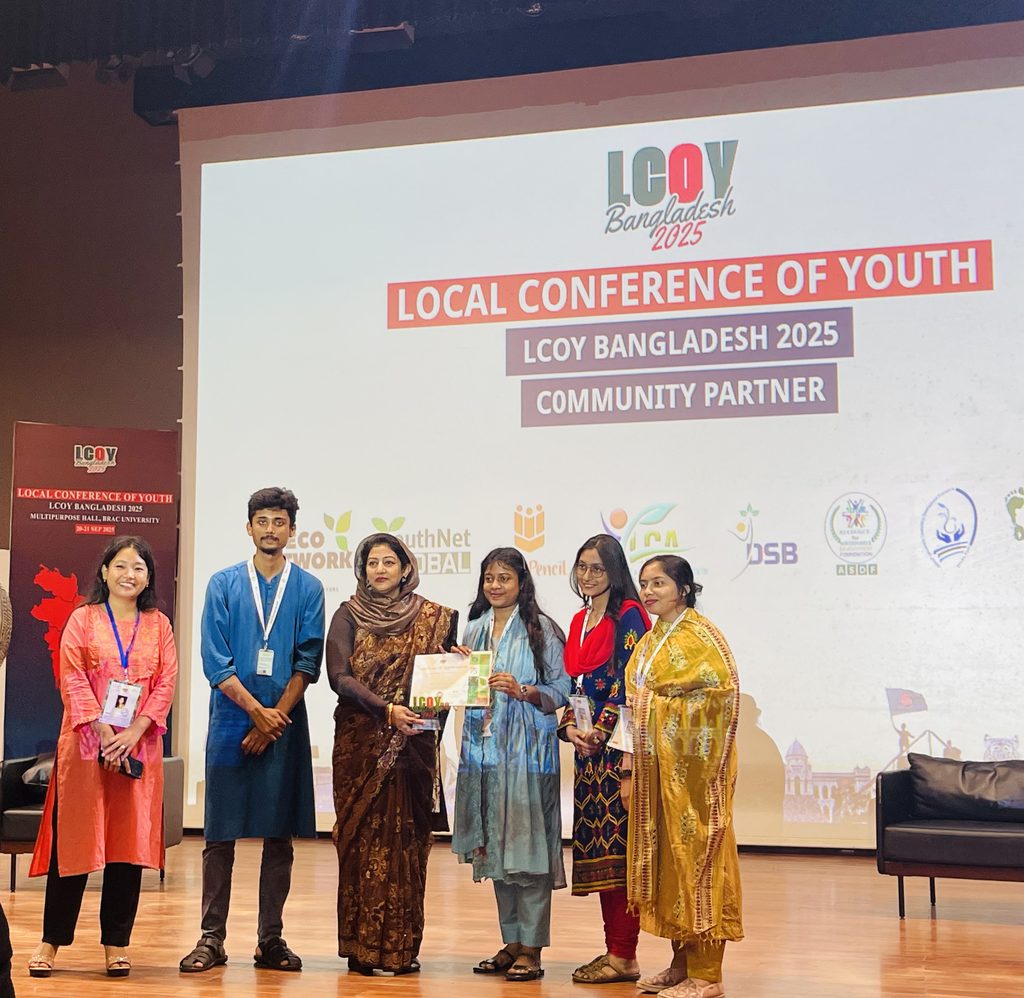
Recognizing Grassroots Climate Leadership
The closing ceremony recognized the civil society partnerships that made the nationwide mobilization possible. SEECTO Bangladesh presented commemorative crests of honor to SHISUK and YLCA for their roles in resourcing, facilitating, and anchoring community youth engagement throughout the summit.
Through their active presence across panels, working groups, and drafting sessions, SHISUK and YLCA members ensured that discussions reflected the ground realities of rural ecosystems, agroecological resilience, and community-led adaptation. As the LCOY Bangladesh 2025 declaration undergoes final technical reviews for submission to the UNFCCC Secretariat, the outcomes from BRAC University provide a clear, evidence-based mandate from Bangladesh’s youth to the global stage at COP30.