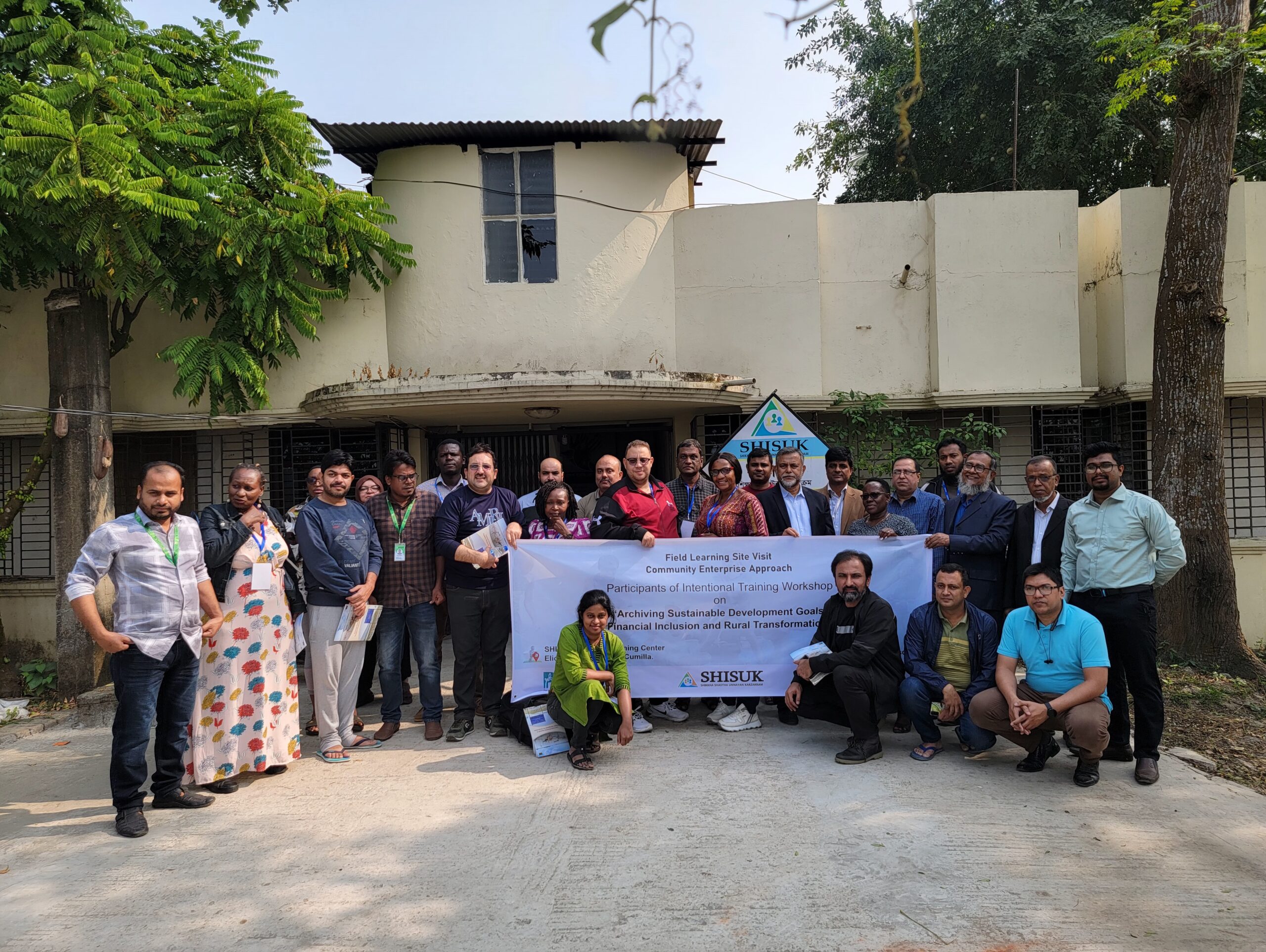
On December 5, 2024, SHISUK hosted 19 international development representatives from 16 countries in Daudkandi, Cumilla, to demonstrate how grassroots financial inclusion models are directly driving rural transformation in Bangladesh.
As part of the International Training Workshop titled “Achieving Sustainable Development Goals: Financial Inclusion and Rural Transformation,” SHISUK organized a comprehensive field learning site visit at its training center and field sites in Elliotgonj. The event facilitated a rich cross-cultural exchange, drawing delegates from nations including Sri Lanka, Pakistan, India, Turkey, and several Mid-African countries.
Rethinking Rural Economics
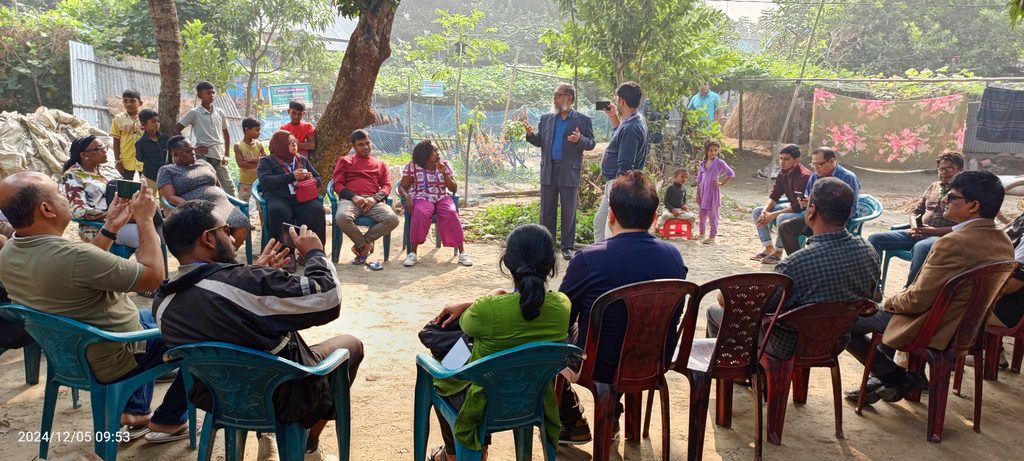
The program opened with a keynote presentation by SHISUK Executive Director Mr. Sakiul Millat Morshed on “Community Enterprise and Agroecology”. Mr. Morshed detailed SHISUK’s unique approach to community-based fisheries and agriculture, illustrating how marginalized rural populations can achieve financial inclusion through collective ownership and profit-sharing. He also highlighted agroecology as a vital sustainable farming practice that protects biodiversity while ensuring economic viability for local farmers.
Bridging Theory with Grassroots Action
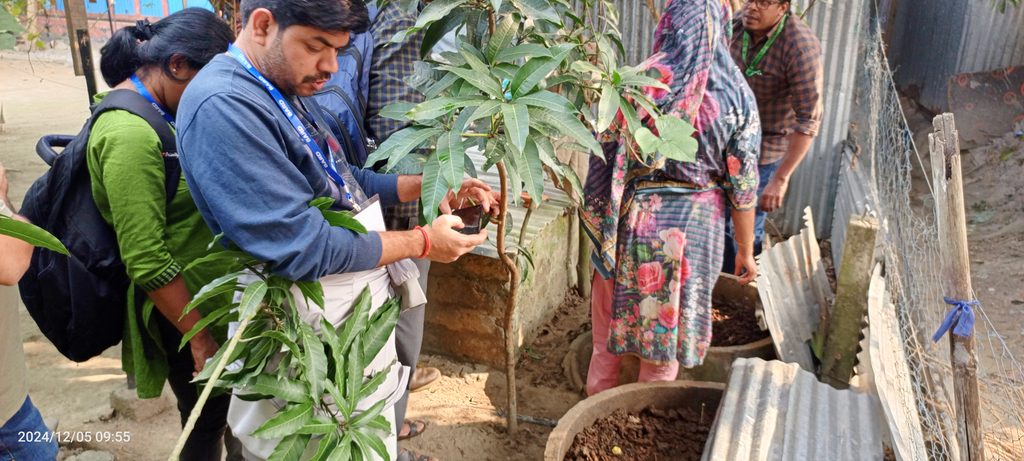
Moving from theory to experiential learning, the international delegation visited active project sites to witness these sustainable models firsthand.
- Agroecology Good Practice Field: Participants observed visual evidence of how ecological balance supports long-term rural productivity through sustainable soil health practices, integrated pest management, and chemical-free farming.
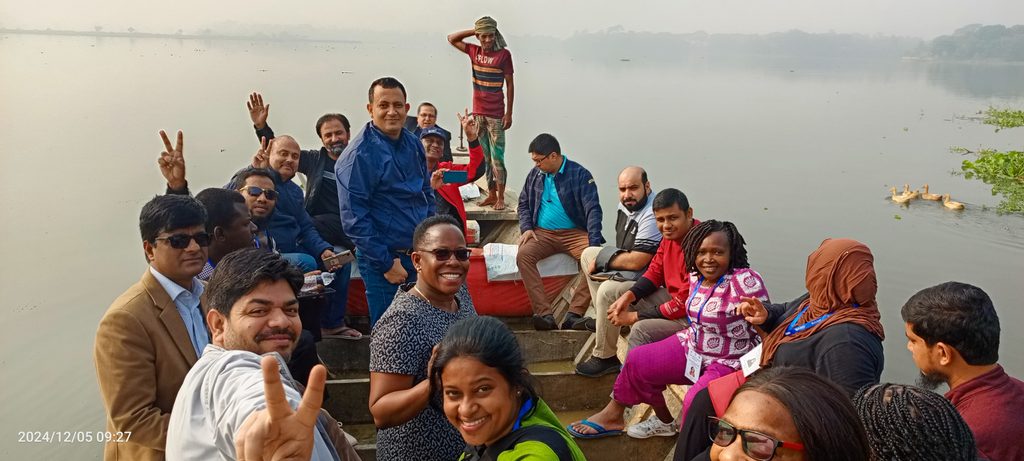
- Proshanto Fisheries Community Enterprise: This site served as a live case study of inclusive economic growth. Delegates saw how landless and marginalized community members successfully organize to manage large water bodies for collective aquaculture, ultimately achieving financial independence.
Inspiring Cross-Border Solutions
The field visit provided a vital platform to showcase the innovation and resilience of rural Bangladesh to international development practitioners. By correlating the theoretical concepts of financial inclusion with tangible examples, representatives exchanged perspectives on adapting the Bangladeshi “Community Enterprise” model to their own regional contexts across South Asia, the Middle East, and Africa.
Ultimately, the visit validated local solutions, proving to the international delegates that achieving the Sustainable Development Goals is entirely possible when financial inclusion and agroecology act as twin pillars for localized economic development.